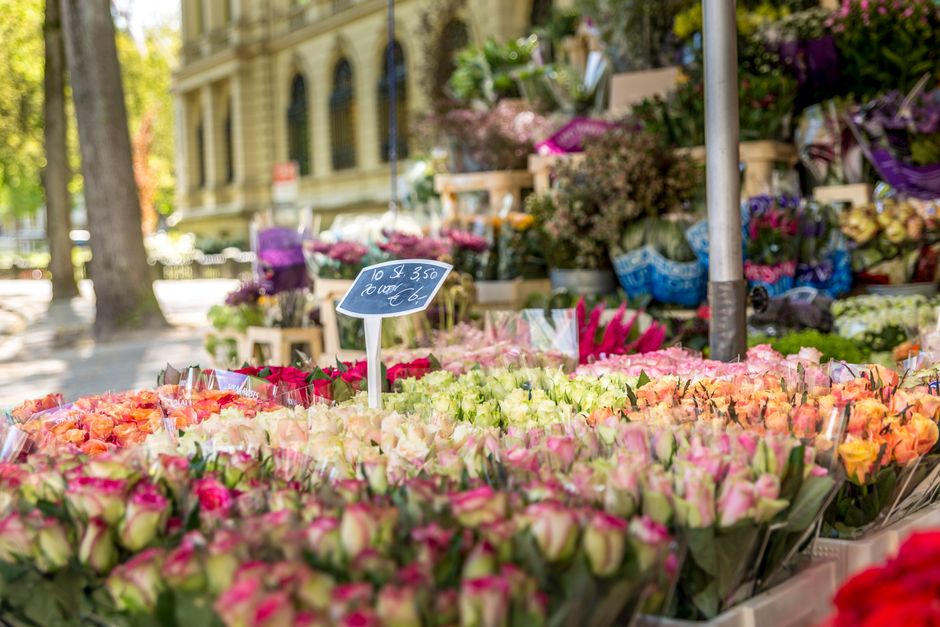
Hackney Council rules for floral displays and street stalls
Posted on 19/10/2026
Hackney Council rules for floral displays and street stalls: a practical local guide
If you are planning floral displays or a street stall in Hackney, the details can feel a bit fiddly at first. One minute you are thinking about bucket arrangements, signage, and whether the roses will hold up in the wind; the next you are trying to work out what the council expects from you, where you can trade, and how to avoid getting caught out. This guide on Hackney Council rules for floral displays and street stalls brings the practical side into focus. It explains the likely compliance points, the day-to-day setup issues, and the common mistakes that can turn a good-looking display into an avoidable headache.
We will look at how the rules usually work in practice, what matters most for traders and florists, and how to prepare a display that is tidy, safe, and commercially sensible. No fluff. Just the bits that help you make decisions with a bit more confidence.
Why Hackney Council rules for floral displays and street stalls Matters
Street trading in Hackney is not just about putting flowers on a stand and hoping for footfall. The council's rules matter because they shape where you can operate, how much space you can use, how safe your display is, and how smoothly you can trade without complaints or enforcement problems. A lovely arrangement outside a shop is one thing; a display that blocks the pavement at rush hour is another entirely.
For florists, market traders, and business owners, the rules matter for three simple reasons. First, they help keep footways passable and safe for pedestrians, including wheelchair users, parents with buggies, and people carrying shopping. Second, they reduce the chance of disputes with neighbouring businesses or residents. Third, they protect your trading reputation. Truth be told, a neat, well-managed stall often sells better than a messy one. People trust what looks orderly.
There is also a practical side that people sometimes miss. Flowers are delicate. Water spills, petals fall, and cardboard boxes seem to multiply when you are not looking. If your setup does not account for that reality, the display can become untidy fast. And once a stall looks untidy, the whole thing starts to feel harder to manage.
Expert summary: The most successful floral displays in Hackney are usually the ones that combine presentation with restraint: clear walking space, secure fixtures, manageable stock, and a setup that can survive a gust of wind or a busy lunchtime crowd.
How Hackney Council rules for floral displays and street stalls Works
In practice, the council is likely to look at a few core questions. Is the display or stall allowed in that location? Does it obstruct the highway or create a hazard? Is the trader properly authorised where permission is required? Does the setup respect local conditions, nearby businesses, and public access? Those questions sit at the heart of most street trading controls, even when the finer details change depending on the site.
If you are selling flowers from a street stall, the council may expect you to consider licensing, permitted pitch locations, stall dimensions, trading hours, waste management, and safe access. If you are using floral displays as part of a shopfront, the focus may be more on obstruction, pavement width, and whether your display spills into the public highway. Not glamorous, but very real.
The easiest way to think about it is this: the council is balancing your right to trade with the public's right to move safely and comfortably. That balance is where most of the rules come from.
There is often a difference between a permanent or semi-permanent display and a temporary one for a special event or busy season. A Valentine's Day arrangement, a weekend market stall, and a daily florist display may all be treated a little differently in practice. So if you are making decisions around a pitch or frontage, do not assume one rule fits all. It usually doesn't.
What a council-friendly setup tends to look like
- Clear pedestrian routes with no awkward squeeze points
- Stable stands, buckets, or tables that will not tip easily
- Flowers and foliage kept within an agreed footprint
- Water containers secured to reduce spill risk
- Visible pricing and tidy presentation
- No loose packaging, broken stems, or stray debris left around
In busy parts of Hackney, especially near transport links and shopping streets, even a small intrusion can create a bigger problem than you might expect. Five extra centimetres on paper can feel like a small deal. On a crowded pavement at 8:30 in the morning, not so much.
Key Benefits and Practical Advantages
Following the rules is not just about avoiding trouble. Done properly, it can improve the way your business looks, feels, and sells. That applies whether you are an established florist or a trader testing a market pitch for the first time.
| Benefit | Why it helps in practice |
|---|---|
| Better customer flow | People can stop, browse, and buy without feeling blocked or rushed. |
| Less enforcement risk | A compliant setup lowers the chance of complaints, warnings, or being moved on. |
| Stronger brand image | An organised display looks more professional and more trustworthy. |
| Safer trading | Sturdy stands and clear routes reduce trips, spills, and damaged stock. |
| Improved stock presentation | Careful placement keeps bouquets fresher-looking for longer. |
There is also a commercial benefit people do not always talk about. A tidy stall can make pricing easier to understand. If customers can see the range clearly and move around comfortably, they are more likely to browse for a bit longer. That extra minute matters. Sometimes that is the difference between a quick glance and a sale.
For floral traders, presentation is part of the product. A few well-placed buckets, sensible height variation, and clear colour grouping can make the whole stand feel more premium. If you are selling from a small frontage, the display itself becomes your shop window, so the rules around space and neatness actually support your sales rather than getting in the way.
Who This Is For and When It Makes Sense
This topic matters to anyone planning to trade flowers or use floral displays in public-facing spaces in Hackney. That includes independent florists, market stall operators, event traders, local shops, and even businesses that only want a seasonal display outside their premises.
- Florists: If you run a shop and want to display bouquets outside, you need to think about frontage, footfall, and the practical limits of the pavement.
- Street traders: If you operate a stall, your setup may be closer to a regulated trading activity and should be planned accordingly.
- Market sellers: If you move between pitches, you need a repeatable system that can be packed, set up, and cleared away cleanly.
- Cafes or gift shops: If flowers are part of your curb appeal, you still need to keep the display safe and sensible.
- Event organisers: Temporary flower stalls or decorative displays can still trigger local requirements, especially if they affect access routes.
It makes sense to take the rules seriously whenever your display sits in a public space or close to it. If everything is indoors, the picture is easier. Once you step onto the pavement, things become more layered. That is just the reality of trading in a busy London borough.
And if you are wondering whether it is worth sorting out the details before you start, the answer is yes. Much easier than moving a fully loaded display on a wet Thursday morning while a queue forms behind you. Been there, seen that, not fun.
Step-by-Step Guidance
Here is a practical way to approach Hackney Council rules for floral displays and street stalls without getting lost in the weeds.
- Identify the exact trading setup. Decide whether you are operating a street stall, a shopfront floral display, or a temporary promotional setup. The answer affects what you need to check next.
- Map the physical footprint. Measure the width, depth, and likely customer standing space. Do not guess. A tape measure is dull, yes, but it saves arguments.
- Check access and visibility. Make sure pedestrians can pass safely, and that the display does not hide road users, crossings, signs, or entrances.
- Plan your stock handling. Choose containers, buckets, and display furniture that keep flowers upright, watered, and easy to move if needed.
- Think about clean-down. Have a routine for removing petals, wiping spills, and clearing packaging. Little things, but they add up.
- Confirm permission requirements. If your setup is on the street or trading as a stall, check the local permission route before you start operating.
- Prepare for weather. Rain, wind, and heat all affect flowers and outdoor displays. A display that looks lovely at 10am may need adjusting by lunchtime.
- Keep records. Hold onto any approvals, correspondence, site notes, and photos of your setup. If there is ever a question, clear records help.
A good habit is to take photos of the layout once you have it right. Not glamorous, but useful. If a colleague has to cover your pitch next week, those photos can save a lot of guesswork.
Another useful move is to build a "reset routine" for busy trading days. Resetting a display at midday can stop it from drifting into untidy territory. Fresh water, straightened buckets, removed damaged stems, quick sweep. Done.
Expert Tips for Better Results
Here is where the small details start to matter. The rules may be the baseline, but the quality of execution is what makes a floral display feel calm and professional rather than cramped and chaotic.
- Keep the front edge open. Customers like to pause at the display, but they should not have to dodge a bucket to do it.
- Use height carefully. A little elevation creates visual interest, but too much can block sightlines or look unstable.
- Group by colour or purpose. Bouquets by price point, occasion, or colour family are easier to shop from.
- Leave room for wet handling. You need space to trim stems, wipe surfaces, and deal with splashes without making a mess.
- Choose sturdy display furniture. Lightweight folding tables can be fine, but only if they are stable and balanced.
- Mind the quiet hazards. Slippery leaves, stray ribbon, water drips, and broken twine all become trip points in a busy setting.
If you are trading near other businesses, a little diplomacy goes a long way. A friendly nod to the neighbour next door, a quick check that you are not blocking their doorway, and a willingness to adjust a bucket by a few inches can prevent days of friction. Simple, really.
Also, do not make the mistake of overfilling the frontage just because you have stock to show. Less can look better. A cleaner layout often gives flowers more visual value than a crowded one. People need to see the bouquet, not solve a puzzle.
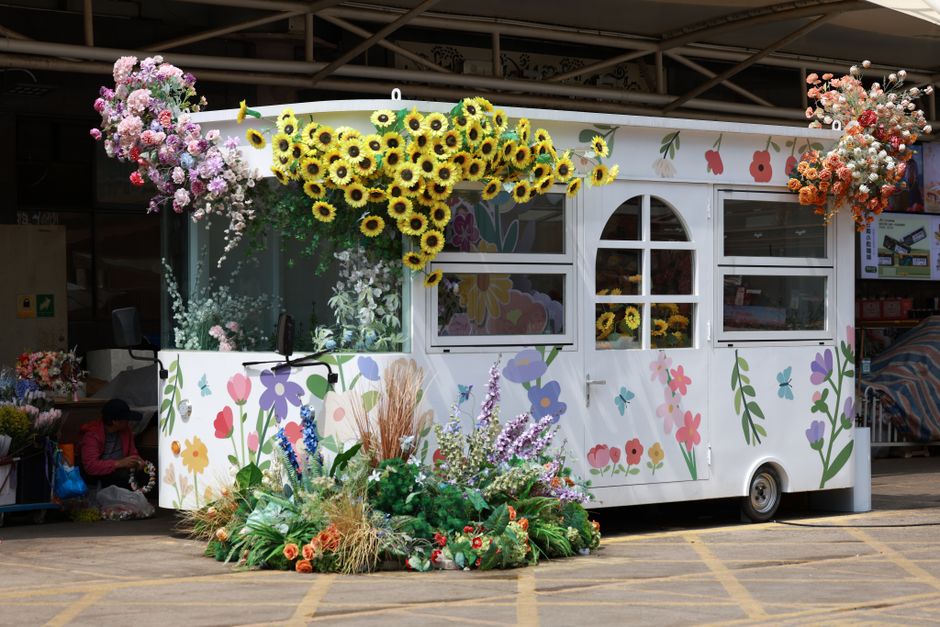
Common Mistakes to Avoid
Most problems with floral displays and street stalls are not dramatic. They are small, repeated, and avoidable. That is the annoying part.
- Assuming a display is "just decoration". If it affects public access, it can be treated more seriously than you expect.
- Ignoring width constraints. A display that seems fine from the shop entrance may still narrow the walkway too much.
- Leaving packaging in sight. Spare buckets, brown cardboard, and open delivery boxes make the whole setup feel untidy.
- Using unstable stands. One wobble on a windy day can ruin the display and create a hazard.
- Forgetting weather effects. Flowers may be fine indoors, but outside they need more frequent checks.
- Not planning for waste. Wilted blooms, broken stems, and spill cleanup need a proper routine.
- Confusing short-term and permanent setups. A weekend stall and a permanent pavement display are not the same thing.
One of the biggest mistakes is treating compliance as a once-and-done task. It is not. A display that worked beautifully on Monday may need tweaking by Friday because the weather changed, footfall increased, or your stock mix shifted. Honestly, that is normal.
Another common issue is poor communication between the person who arranged the setup and the person who runs it on the day. If those two people are not on the same page, the whole thing can slide sideways. Keep it simple. Write it down. Make it obvious.
Tools, Resources and Recommendations
You do not need a huge kit to manage floral displays well, but the right basics make life much easier. Most of this is practical rather than fancy.
- Measuring tape: For checking frontage, stall width, and walk space.
- Stable tables or stall frames: The display foundation matters more than people think.
- Weighted buckets or secure stands: Useful in breezy spots and busy traffic areas.
- Cleaning cloths and mops: For water spills, sap, and general tidy-up.
- Waste bags and packaging storage: Keep the pitch clear and professional.
- Simple site photos: Handy for training staff and checking your own layout later.
For product presentation, it can help to organise your stock in a way that suits the trading day. If you are creating eye-catching front-facing bunches, a mix of colour-driven collections like mixed colours, white flowers, or pink flowers can make the stand easier to browse. If you prefer a sharper premium feel, ranges such as luxury flowers or best sellers often give a cleaner merchandising flow.
For broader shop information and service expectations, pages like delivery, flower care, and about us can also be useful background if you want to understand how a florist handles the customer side of things as well as the display side.
Law, Compliance, Standards, or Best Practice
Because this topic touches public space use, it is sensible to be careful and practical rather than overconfident. In general, street trading and pavement use can involve local authority rules, possible permissions, and wider public safety duties. The exact requirements depend on the location, the nature of the activity, and whether the display is temporary, repeated, or effectively part of a trading operation.
Best practice is to treat the council's position as the primary reference point before you set up. If you are unsure, do not assume that a nice-looking display is automatically acceptable just because it is small. Sometimes a small display can still obstruct access if the pavement is narrow or the site is busy. That is where a lot of good intentions go wrong.
From an operational point of view, safe practice usually means:
- keeping clear pedestrian routes
- avoiding unstable or top-heavy fixtures
- managing water and waste properly
- respecting neighbouring entrances and frontages
- making sure the setup can be removed quickly if needed
If you are running a more formal trading operation, consistency matters too. Written procedures, staff briefings, and a basic site layout can help you stay on the right side of expectations. That is especially useful if several people work the pitch across the week.
And a gentle warning: if your stall or display starts attracting comments from passers-by like "bit tight, isn't it?", take the hint. People notice obstruction quickly. Councils do too.
Options, Methods, or Comparison Table
There are a few different ways to present flowers in a public-facing Hackney setting. The best option depends on how much space you have, how often you trade, and how much flexibility you need.
| Approach | Best for | Main trade-off |
|---|---|---|
| Shopfront display | Established florists with fixed premises | Must be carefully managed to avoid pavement obstruction |
| Street stall | Regular traders and market-style selling | Needs stronger attention to permissions, footprint, and daily setup |
| Temporary seasonal stand | Busy dates like Mother's Day or Valentine's Day | Often needs rapid setup and close supervision |
| Event flower point | Weddings, pop-ups, or one-off local events | May involve coordination with event organisers and site restrictions |
For many businesses, the most practical route is not the most ambitious one. A compact, well-run display often works better than trying to create a huge visual statement. You can still be eye-catching without taking over the street. That balance is the trick.
If you sell a broad range of bouquets, you may also want to organise by occasion, for example using pages or stock groups such as birthday flowers, anniversary flowers, or sympathy flowers to help customers find what they need quickly. The same logic works in a stall environment: make the display easy to read.
Case Study or Real-World Example
Picture a small florist near a busy Hackney high street on a Saturday morning. The shop wants to place a display outside to catch passing trade. It is early, the pavement is lively, and there is a steady stream of parents, cyclists, and shoppers moving through the area. The florist starts with a wide arrangement because it looks beautiful on the pavement edge.
At first glance, it works. The colours are great, the scent carries into the street, and people slow down. Then the practical issues start. A delivery rider needs to pass. A buggy comes through. Someone stops to take a photo. Suddenly the frontage feels tighter than planned.
The business trims the setup by one bucket, shifts the remaining stands back slightly, and groups the stock more tightly by colour and price. They keep the walk space open and add a small sign that directs customers inward. The display still looks full, but it feels calmer. People can browse without hesitation.
That is the kind of adjustment that tends to matter most. Not a dramatic redesign. Just a better fit for the space. In our experience, these small changes often improve sales because people feel more comfortable stopping. Comfort sells. Simple as that.
Practical Checklist
Use this before you open the stall or put the display out on the pavement.
- Have I confirmed whether this is a stall, shopfront display, or temporary setup?
- Do I know the usable footprint in centimetres, not guesses?
- Is there a clear pedestrian route left open?
- Are buckets, stands, and tables stable enough for wind and crowd movement?
- Is water contained properly?
- Are packaging, waste, and damaged stems easy to clear away?
- Can staff explain the setup if asked?
- Have I checked for nearby entrances, crossings, or pinch points?
- Do I have a quick clean-down routine?
- Is the display still tidy enough to look trustworthy from a few steps away?
If you can tick all of those off, you are in much better shape. Not perfect, maybe, but solid. And that is usually the goal.
Conclusion
Hackney Council rules for floral displays and street stalls are really about balance: letting businesses trade well while keeping streets safe, tidy, and usable for everyone. If you keep that principle in mind, most decisions become easier. Measure the space. Respect the pavement. Keep the display stable and clean. Make it look good, yes, but make it work first.
The businesses that do best with floral displays in busy London streets are usually the ones that treat setup as part of the product, not as an afterthought. That is what gives customers confidence, and it is what keeps a busy trading day from becoming messy by lunchtime.
Get a free quote today and see how much you can save.
And if you are still in the planning stage, that is fine too. Start with the space you have, build a sensible display, and let the flowers do their job. They usually know what to do.
Frequently Asked Questions
Do I need permission to put a floral display on the pavement in Hackney?
Often, yes, if the display uses the public highway or affects pedestrian access. The exact requirement depends on the setup, location, and whether it counts as trading or a frontage display. If in doubt, check before placing anything outside.
What counts as a street stall rather than a shop display?
A street stall is usually a more obvious trading setup, often freestanding and used to sell goods directly in a public space. A shop display is typically attached to, or immediately associated with, the business frontage. The distinction matters because the permission route may be different.
How wide should a floral display be?
There is no safe one-size-fits-all answer. It depends on the pavement width, foot traffic, nearby entrances, and local conditions. A display that works on one street may be too intrusive on another. Measure the actual site, not the ideal version in your head.
Can I leave buckets of flowers outside overnight?
That depends on the location, the risk of obstruction, and any permission or site rules that apply. From a practical standpoint, overnight storage outside can create security, weather, and public safety issues, so it is often worth avoiding unless you are sure it is permitted and properly secured.
What are the biggest risks with outdoor floral displays?
The main risks are obstruction, water spills, unstable stands, weather damage, and clutter. On busy streets, even a small hazard can become a nuisance quickly. The good news is that most of these problems are easy to prevent with a careful setup.
Are temporary flower stalls for events treated differently?
They can be. Temporary or event-based stalls may have different expectations from permanent or daily trading setups, especially if the event organiser controls the site. Still, you should not assume temporary means informal. Access and safety still matter.
What should I do if the pavement feels too narrow?
Be conservative. If a display makes the route feel cramped, scale it back. A smaller, neater frontage is often better than a larger one that causes people to squeeze past. That is usually the safer commercial choice too.
How can I make a street flower stall look more professional?
Use clean grouping, stable containers, clear price points, and a layout with enough breathing room. Remove damaged flowers quickly and keep wrapping materials out of sight where possible. A tidy stall feels more premium, even before a customer asks the price.
Do seasonal peaks like Mother's Day change the rules?
The rules themselves may not change, but pressure on the space certainly does. Busy trading periods mean more people, more stock, and more chance of clutter. You may need a tighter setup and a better clean-down routine during peak times.
What records should I keep for compliance?
Keep any approvals, emails, site notes, layout photos, and staff instructions. If a question ever arises, those records can help show that you took the setup seriously and worked within the expected conditions.
How often should I check the display during the day?
More often than you think, especially outdoors. A morning setup can drift into disorder by midday once people browse, petals fall, or the weather changes. Quick checks keep the display looking fresh and reduce small hazards.
Is it worth using the same display layout every day?
Sometimes, yes, if the site is consistent and the layout works. But it is smart to review it regularly. Streets change with footfall, delivery patterns, and weather, so a layout that worked last month may need a small adjustment now.