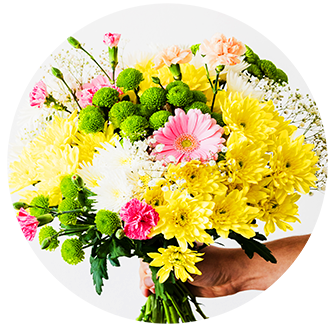
Wedding flowers for Queen Elizabeth Olympic Park weddings
Posted on 17/09/2026
Planning wedding flowers for Queen Elizabeth Olympic Park weddings can feel wonderfully exciting and slightly chaotic at the same time. You want flowers that suit the scale of the venue, look elegant in photos, travel well across East London, and still feel personal to your day. That is a lot to hold in your head, especially when you are also thinking about timings, suppliers, guests, and the tiny details that somehow become the big ones.
The good news? With the right floral approach, the park's modern architecture, open spaces, and mix of contemporary event settings can work beautifully with everything from minimal white designs to fuller, romantic arrangements. In this guide, we'll walk through what works, why it matters, how to plan it, and where couples tend to get caught out. If you are trying to make sensible decisions without losing the magic, you are in the right place.
Why Wedding flowers for Queen Elizabeth Olympic Park weddings Matters
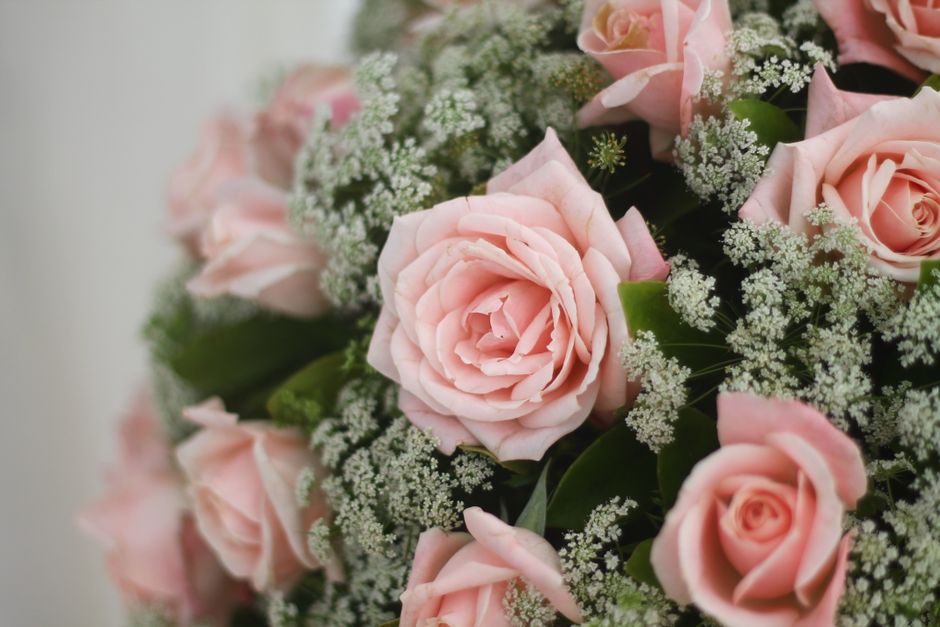
Flowers do more than decorate a wedding. At Queen Elizabeth Olympic Park, they help soften the sharp lines of modern venues, frame outdoor photos, and create a sense of warmth in spaces that can otherwise feel quite architectural. That contrast is often the secret. A sleek venue with carefully chosen blooms can feel polished and intimate rather than stark.
There is also a practical side. Weddings in and around the park often involve moving flowers between prep spaces, ceremony areas, reception tables, and sometimes outdoor photo stops. If the design is not planned with travel and placement in mind, it can look lovely in the florist's workshop and then a bit tired by the time guests sit down. Bit of a mood killer, that.
For couples getting married here, flowers also play a role in the overall visual story. Queen Elizabeth Olympic Park has a distinct East London identity: modern, spacious, urban, and surprisingly green in places. The floral scheme should feel like it belongs there, not like it has been borrowed from somewhere else entirely.
Expert summary: The best wedding flowers for Queen Elizabeth Olympic Park weddings are not always the biggest or fanciest. They are the ones that suit the venue's style, hold up well on the day, and make your photographs look effortless.
How Wedding flowers for Queen Elizabeth Olympic Park weddings Works
In practice, floral planning for this kind of wedding starts with the venue layout and the movement of the day. You usually begin by identifying the key floral moments: bridal bouquet, bridesmaid bouquets, buttonholes, ceremony flowers, aisle decor, table centrepieces, and any statement pieces for entrances or photo areas.
From there, the florist will usually consider three things:
- Venue style: clean, modern, dramatic, understated, indoor, outdoor, or a mix of all of these.
- Timing and logistics: how flowers are delivered, stored, refreshed, and placed on the day.
- Flower choice and seasonality: which blooms suit the look and are sensible for the time of year.
A strong florist will also think about scale. The wrong scale is one of the easiest ways to spoil a wedding design. Small arrangements can disappear in a large, light-filled room. Oversized installations can crowd a compact dining space. You want flowers that feel in proportion, and yes, that sounds obvious, but people still get it wrong all the time.
If you are working with a wedding collection or ready-made pieces, the key is matching the collection to your venue and colour palette. For example, soft whites and pale greens usually sit well with modern East London spaces, while richer blush, red, or mixed-colour arrangements can add warmth and drama. A bouquet is not just a bouquet here; it is part of the room.
For couples looking at matching wedding pieces, collections such as wedding flowers and collections can make planning simpler, especially when you want a consistent look across bouquets, buttonholes, and table designs. If you are also comparing bloom types, it helps to browse luxury flowers for a fuller sense of style direction.
Key Benefits and Practical Advantages
Choosing flowers thoughtfully for a Queen Elizabeth Olympic Park wedding brings a few clear advantages. Some are obvious, some less so.
- Better visual balance: the right flowers soften modern architecture and create a more romantic atmosphere.
- Stronger photos: colour, texture, and shape all help your photographer create cleaner, more expressive images.
- More comfort for guests: well-placed arrangements make a venue feel welcoming without getting in the way.
- Less day-of stress: a practical floral plan reduces last-minute problems with transport or setup.
- Better budget control: focusing on the right focal points often gives more impact than spreading flowers too thinly.
There is a quieter benefit too: flowers help the day feel intentional. Guests may not know exactly why the space feels special, but they will feel it. The ceremony looks considered. The table settings tie together. The bouquet photographs cleanly against a pale dress or a darker suit. Everything just feels a bit more complete.
That said, flowers can be a slippery budget item if you do not set priorities. The biggest visual wins usually come from a few well-chosen areas: the bridal bouquet, the ceremony focal point, and the tables where guests spend the most time. If you try to make every surface look like a magazine spread, the costs climb quickly. We have all seen that happen.
Who This Is For and When It Makes Sense
This guide is for couples getting married at or around Queen Elizabeth Olympic Park who want floral designs that feel polished, modern, and genuinely suited to the venue. It is especially useful if you are:
- planning a city wedding with a contemporary feel
- booking a venue with strong architectural lines or large open rooms
- wanting a bouquet and styling scheme that photograph well in natural light
- trying to make the most of a limited floral budget
- balancing classic romance with a cleaner, more current design
It also makes sense if you are not especially confident about flowers. Plenty of couples know what they like when they see it, but struggle to turn that into a clear brief. That is normal. To be fair, "I want something elegant but not too formal, romantic but not fussy" is a valid starting point. It just needs translating into actual stems, shapes, and sizes.
If you already have a particular style in mind, look at pieces such as a refined wedding collection, a romantic collection, or a white-focused wedding collection. Those kinds of options help couples quickly narrow the look and avoid decision fatigue.
It makes less sense if you want a very wild, sprawling garden aesthetic but the venue setup is tight and formal. You can still create a softer feel, absolutely, but the design may need to be more controlled than your Pinterest board suggests. Pinterest is helpful. Pinterest is also a bit of a menace.
Step-by-Step Guidance
Here is a sensible way to approach wedding flowers for Queen Elizabeth Olympic Park weddings without getting overwhelmed.
- Start with the venue and date. The room, the light, and the season will shape nearly every floral decision.
- Set priorities. Decide what must look beautiful: bouquet, ceremony, tables, buttonholes, or all of the above.
- Choose a style direction. Think modern classic, soft romantic, structured luxury, minimalist white, or colour-rich and expressive.
- Pick a palette. White and green is timeless. Blush adds softness. Reds feel more dramatic. Mixed colours can make the day feel cheerful and bold.
- Match flowers to the space. Taller arrangements work in bigger rooms; lower designs can keep dining tables conversational.
- Confirm practical details early. Delivery windows, setup access, and who places the flowers matter more than people expect.
- Review sample images or examples. Ask for visuals of bouquet shapes and table styles that are close to your chosen direction.
- Plan for travel and freshness. If flowers are moving across East London on the day, they need packaging and timing that respect the heat, the traffic, and the clock.
A realistic example helps here. Imagine a ceremony in a bright modern space, followed by a reception with long tables. In that case, one standout bouquet style, modest ceremony arrangements, and elegant low centrepieces may achieve more than large arrangements everywhere. The room still feels dressed, but nobody has to lean around a giant vase to speak to the person opposite them. A small mercy, honestly.
If you are choosing ready-to-order pieces, focus on product families that match your purpose. A bridal bouquet should feel balanced in the hand and on camera. Bridesmaid flowers should support, not compete. Buttonholes should be neat and secure. Table pieces should be low enough for conversation unless the room really calls for height. That part gets overlooked a lot.
For bouquet and role-specific pieces, these pages can be useful starting points: bridal bouquets, bridesmaid bouquets, buttonholes, corsages, and table arrangements.
Expert Tips for Better Results
A few practical tips can make a surprising difference.
- Choose flowers that suit the building, not just the mood board. Modern venues often look best with clean lines, controlled colour, and one or two statement textures.
- Let the bouquet reflect the bride's silhouette. A long dress often works well with a more flowing bouquet, while a simple gown can handle stronger structure.
- Repeat key flowers across the day. Using the same blooms in bouquet, table pieces, and buttonholes creates harmony without making everything identical.
- Think about weather and transport. Summer ceremonies can be warm and bright; delicate flowers may need more care than sturdier ones.
- Choose a focal point. One impressive floral feature beats three half-finished ones.
Another useful tip: if you love a particular bloom but worry it might not be practical, use it as an accent rather than the whole design. Roses, lisianthus, orchids, lilies, and mixed seasonal flowers can all be adapted in different ways. Sometimes a single bloom does the job better than a whole bucket of it.
In our experience, couples are happiest when they decide what feeling they want the flowers to create. Calm? Fresh? Luxurious? Softly romantic? That emotional brief is often more useful than saying, "We want peonies, and lots of them," even though peonies do have their moments. They do.
If sustainability matters to you, ask about seasonality, packaging, and how leftover flowers are handled. You may also want to review the shop's broader values through the sustainability page. It is not about being perfect. It is about making informed choices where you can.
Common Mistakes to Avoid
Wedding flowers tend to go wrong in predictable ways. The good news is, most of them are easy to avoid if you spot them early.
- Ignoring venue scale: tiny arrangements can vanish; oversized pieces can overwhelm the room.
- Picking blooms without thinking about timing: some flowers are more fragile in heat or long transport.
- Forgetting practical access: if setup is tricky, the design needs to be simpler and better planned.
- Mixing too many styles: rustic, minimalist, tropical, and vintage all at once can feel confused rather than curated.
- Leaving buttonholes and corsages as an afterthought: they matter in photos more than people expect.
- Trying to stretch the budget across too many areas: focus on the most visible spaces first.
One of the biggest mistakes is not asking how flowers will be stored before the ceremony. Even the prettiest bouquet can lose impact if it is left somewhere too warm or handled too early. It sounds minor. It is not minor.
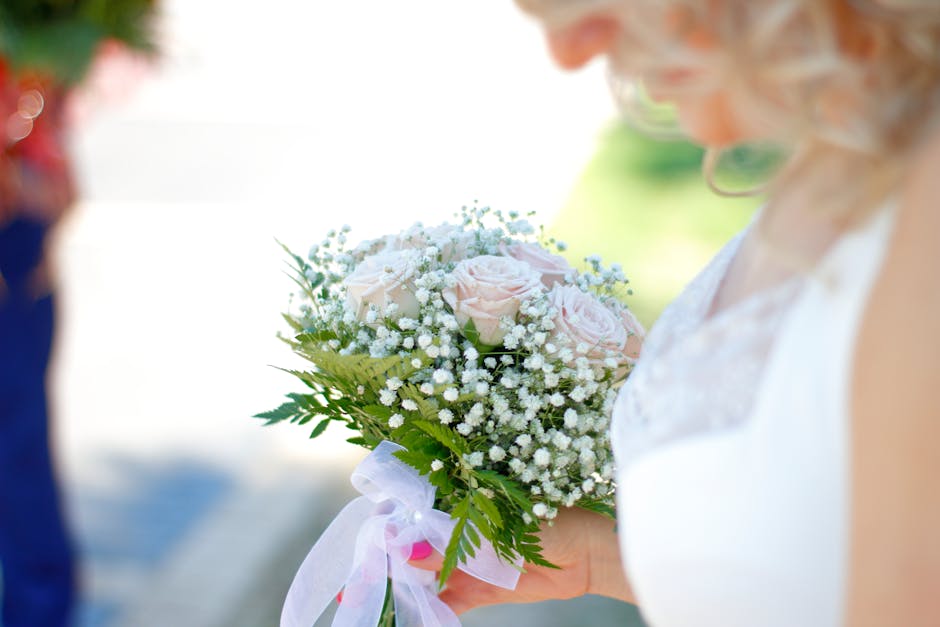
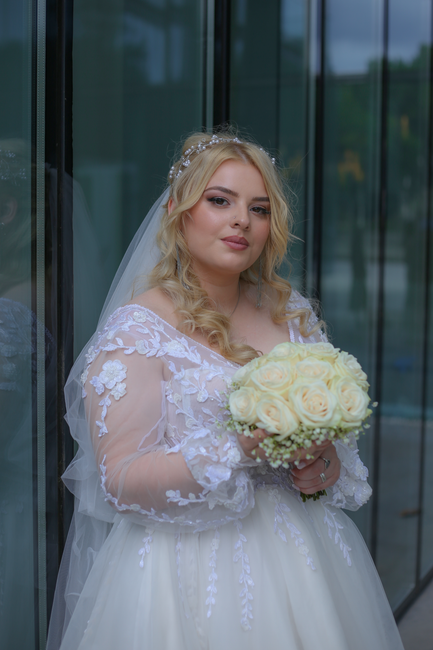
Another easy miss is colour contrast. White flowers against a bright white dress can look very elegant, but only if shape, greenery, or texture adds definition. Otherwise the bouquet can blur a little in photos. Similar issue with pale bridesmaid dresses and pale flowers. Lovely in theory, a bit lost in practice.
Tools, Resources and Recommendations
You do not need a fancy toolkit to plan wedding flowers well, but a few simple resources make the process smoother.
- Venue photos: especially images showing ceiling height, table layout, and natural light.
- Colour references: dress swatches, invitation designs, and even a saved phone photo can help.
- Guest count: needed to estimate table pieces, buttonholes, and any extra flowers.
- Timing notes: ceremony time, photography slots, and reception turnaround windows.
- Flower preference list: blooms you love, blooms you dislike, and any scent sensitivities.
For product inspiration, it can help to browse styles that already align with wedding use, such as SI wedding collection, The Perfect Match wedding collection, and I Cherish You wedding collection. If you want a more regal feel, the Royal Essence wedding collection is a useful reference point for tone and styling.
Do not overlook flower care after delivery either. A bouquet left without water for too long can look a bit weary by late afternoon. Simple care instructions can preserve shape and freshness. If you need a refresher on handling stems and arranging them safely, the flower care guide is a sensible place to look.
Law, Compliance, Standards, or Best Practice
For wedding flowers, the main compliance concerns are usually practical rather than heavily regulated, but best practice still matters. Florists working around a venue should follow the venue's access rules, delivery instructions, and any restrictions on setup areas, open flame, or adhesive materials. That is especially important in modern event spaces where logistics are tightly managed.
If your wedding includes candles, arches, hanging features, or freestanding structures, check the venue's own requirements well in advance. Some spaces will have specific conditions about load-bearing fixtures, emergency access, or what can be attached to walls and surfaces. It is always better to ask early than to improvise on the day. Improvisation looks charming in films. Less so beside a wedding breakfast table.
Best practice also includes clear agreements with your florist about delivery, timing, substitutions, and what happens if a certain bloom is unavailable. Seasonal flower availability can change, and that is normal. A trustworthy florist will suggest a close alternative rather than forcing a weak substitution.
For ordering terms, payment, returns, and delivery expectations, it is wise to read the relevant site policies before you confirm anything. These pages can help clarify the practical side of ordering and expectations: delivery, payment, returns and refund, and terms and conditions. If you want reassurance about service standards, guarantees is also worth a look.
Accessibility matters too. If guests or family members have mobility or sensory needs, flower placement should keep routes clear and avoid unnecessary clutter. The accessibility statement can be a useful reference for how the business approaches inclusive service.
Options, Methods, or Comparison Table
There is no single right floral style for Queen Elizabeth Olympic Park weddings. The best choice depends on your venue, budget, and the feeling you want to create. Here is a practical comparison.
| Approach | Best for | Strengths | Things to watch |
|---|---|---|---|
| White and green classic | Modern, elegant, light-filled venues | Timeless, calm, photographs well | Can look flat if texture is not varied |
| Blush romantic | Soft, feminine wedding styling | Warmth, softness, easy to pair with many dresses | Needs careful shade matching to avoid looking washed out |
| Bold mixed colour | Fun, energetic, personality-led weddings | Strong visual impact, lively photos | Can feel busy if too many colours compete |
| Luxury statement design | Large receptions or focal ceremony areas | High impact, premium feel | Needs more budget and careful placement |
| Minimal contemporary styling | Smaller weddings or design-led couples | Clean, modern, budget-aware | Every piece has to be very well chosen |
If you are unsure which route to take, start with the venue rather than the flowers. The room will quietly tell you what it wants. Well, not literally. But you know what I mean. A bright, spacious setting often benefits from more structure; a more intimate room may need softness and restraint.
Case Study or Real-World Example
Here is a realistic planning scenario. A couple is marrying at a contemporary venue within Queen Elizabeth Olympic Park in late spring. They want an elegant day that feels current rather than overly traditional. They have a modest-to-mid-range budget and want the flowers to look good in natural light, especially during couple portraits.
The floral plan is kept focused:
- a structured bridal bouquet with white roses, lisianthus, and orchid accents
- simple bridesmaid bouquets that echo the main bouquet but stay lighter
- neat buttonholes for the groom party
- low table arrangements so guests can talk easily
- one ceremony focal arrangement to anchor the space visually
That kind of setup works well because it gives the day a clear floral identity without overloading the venue. The bouquet looks polished in close-up shots. The table flowers do their job without getting in the way. And the overall feeling is cohesive, not cluttered.
If the couple wanted a more regal direction, they might lean into a collection like Like a Royal or a richer wedding design such as Royal Essence. If they preferred a softer editorial look, a bouquet style from The One bridal bouquet or Pure Romance bridal bouquet would be a natural fit.
The main lesson? The best wedding flowers are rarely the most complicated ones. They are the ones that suit the room, support the photography, and make the day feel easy. That matters more than people realise while they are staring at flower samples at midnight.
Practical Checklist
Use this checklist to keep your floral planning grounded.
- Confirm the venue name, layout, and access times
- Set a realistic flower budget before choosing designs
- Choose a palette that works with the venue and outfits
- Decide which items are essential and which are optional
- Select bouquet, buttonhole, corsage, and table styles
- Check if flowers need to travel between locations
- Ask about seasonal substitutions
- Confirm delivery, setup, and collection arrangements
- Review care instructions for bouquets and table pieces
- Double-check names, quantities, and wedding timings
If you want to make things even easier, keep one simple rule in mind: choose the few flower moments that will matter most in real life, not just in the perfect imaginary version of the day. That tends to produce better results, every time.
Conclusion
Wedding flowers for Queen Elizabeth Olympic Park weddings work best when they are planned with the venue, the light, the movement of the day, and the couple's style all in mind. A thoughtful floral plan can soften modern architecture, improve photographs, and make the entire celebration feel more complete without wasting budget on the wrong details.
If you keep the focus on proportion, practicality, and a clear style direction, you will end up with flowers that feel considered rather than forced. And that really is the sweet spot. Not too much, not too little. Just right for the space and the people in it.
Get a free quote today and see how much you can save.
When the flowers are right, the whole day seems to breathe a little easier. That is the kind of beauty people remember.
Frequently Asked Questions
What flowers work best for Queen Elizabeth Olympic Park weddings?
White roses, lisianthus, orchids, lilies, and structured mixed arrangements often work beautifully because they complement modern venues and photograph well. The exact choice depends on your colour palette, season, and the overall mood you want.
How far in advance should I book wedding flowers?
For a wedding venue like Queen Elizabeth Olympic Park, it is sensible to book as early as you can, especially if your date falls in a busy season. Early booking gives you more choice and more time to refine the design.
Can I use the same flowers for the ceremony and reception?
Yes, and that is often a smart way to stretch the budget. Ceremony arrangements can sometimes be repurposed for the reception, provided the setup and transport are planned properly.
What is the most budget-friendly way to style wedding flowers?
Focus on high-impact areas first: bouquet, ceremony focal point, and table flowers. Repeating a smaller number of flower types also tends to look more polished and can be easier to manage.
Do I need buttonholes and corsages for a modern wedding?
Not always, but they help pull the whole look together and can be especially useful for family members and key members of the wedding party. They also add nice detail in photos.
Are white wedding flowers too plain for this venue?
Not at all. White can look stunning in a modern space, especially when combined with varied textures, greenery, and a carefully shaped bouquet or centrepiece. It is all about contrast and proportion.
What if I want flowers that feel more romantic than formal?
Blush tones, soft reds, and fuller bouquet shapes can create a more romantic feeling. You can still keep the design elegant and modern without making it too traditional.
How do I make sure flowers suit my dress?
Think about silhouette, neckline, and scale. A more dramatic dress can usually handle a fuller bouquet, while a simpler dress often looks lovely with a clean, structured floral design.
What should I ask my florist before confirming the order?
Ask about flower availability, substitutions, delivery timing, setup, care instructions, and what happens if access to the venue changes. Those practical questions save a lot of stress later.
Can I order wedding flowers online for a Queen Elizabeth Olympic Park wedding?
Yes, if the florist offers suitable wedding arrangements and the product range matches your needs. Just make sure you choose pieces that are genuinely appropriate for wedding use, not general everyday bouquets.
How do I keep flowers fresh on the wedding day?
Keep them in water where possible, avoid leaving them in direct heat or strong sunlight for too long, and follow any care instructions provided by the florist. Little things matter here.
What is the best next step if I am still unsure?
Start with the venue, your date, and a rough style preference, then narrow the choices to a few suitable bouquets and collection styles. Once those basics are clear, the rest usually falls into place much more easily.